
Imagine peering into a crystal ball and catching a glimpse of what tomorrow holds. Predictions about the future have always sparked curiosity and debate. From flying cars to robot butlers, the possibilities seem endless. But what if the future isn’t just a sci-fi fantasy? It’s a canvas waiting for innovative minds to paint their visions.
Overview of Predictions of the Future
Predictions about the future captivate many, encompassing a wide range of possibilities and innovations. Futurists often examine technology, society, and the environment to forecast developments. Emerging technologies, like artificial intelligence and renewable energy, play critical roles in shaping predictions. Societal changes, such as urbanization and demographic shifts, influence future landscapes as well.
Many experts suggest that advancements in technology could revolutionize industries. For instance, transportation may see significant changes with the introduction of electric and autonomous vehicles. Health care predictions include breakthroughs in personalized medicine powered by genetic data analysis.
Environmental factors also drive predictions, prompting conversations about sustainability and climate change. Innovations in agriculture can enhance food production and reduce resource consumption. Countries may adapt their policies to address these global challenges, affecting economies worldwide.
Additionally, economic factors shape forecasts, with trends like remote work and digital currencies gaining traction. These shifts indicate potential changes in how people interact and conduct business. Education systems may evolve to meet the demands of an increasingly digital world by incorporating technology and online learning.
Global events can influence these predictions, demonstrating that uncertainty remains a constant in forecasting the future. Analysts emphasize the importance of adaptable strategies to navigate potential outcomes. Ultimately, understanding predictions requires continuous examination of trends and emerging influences. The future remains open to possibilities that can stem from today’s innovations and decisions.
Historical Context of Future Predictions
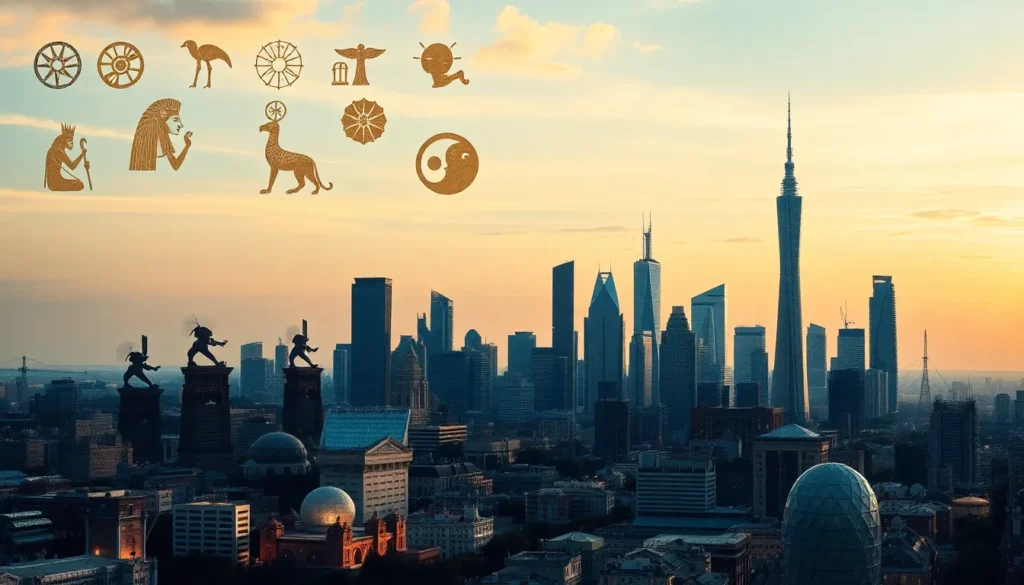
Future predictions trace back to ancient civilizations, reflecting humanity’s desire to understand what lies ahead. Scholars, philosophers, and religious leaders often speculated about fate and destiny using astrology and omens. Ancient Egyptians interpreted celestial events to forecast agricultural cycles, while Greeks, such as Aristotle, pondered ethical consequences of future actions.
Modern predictions emerged from scientific advancements and technological breakthroughs. The Industrial Revolution prompted thinkers to envision sweeping changes in society and economies. Writers like Jules Verne imagined inventions, such as submarines and space travel, long before their existence. In contemporary times, futurists analyze big data and artificial intelligence to spot emerging trends and anticipate societal shifts. Innovations in renewable energy and biotechnology first captured attention as potential game changers. Those predictions illustrate a continuous endeavor to forecast future landscapes based on current knowledge and insights.
Influential Factors Shaping Future Predictions
Many factors shape predictions about the future. Emerging technologies, social dynamics, and environmental issues all play significant roles in these forecasts.
Technology Advancements
Innovative technologies drive the future. Artificial intelligence stands out as a crucial player, offering insights that redefine industries. Electric vehicles are transforming transportation, making it cleaner and more efficient. Autonomous systems promise to enhance logistics and reduce human error. Breakthroughs in biotechnology are paving the way for personalized medicine, improving health outcomes. Quantum computing could revolutionize problem-solving capabilities, leading to progress in various fields. The integration of these advancements creates a complex landscape that prompts continual adaptation and reevaluation.
Social Changes
Shifting demographics significantly influence societal trends. Urbanization is reshaping living environments, leading to new demands on infrastructure and services. The rise of remote work is changing traditional employment structures, allowing greater flexibility. Additionally, the increasing emphasis on inclusivity is transforming workplace cultures. Generational shifts affect consumer behaviors, pushing companies to innovate products and services that cater to evolving preferences. As social values change, they also impact political and economic systems, prompting a reevaluation of existing frameworks.
Environmental Considerations
Environmental issues are front and center in future predictions. Climate change risks prompt urgent discussions about sustainability and resilience. Innovations in renewable energy sources, like solar and wind, are crucial for reducing carbon footprints. Sustainable agricultural practices are gaining traction, aimed at enhancing food security while protecting ecosystems. Water scarcity presents challenges that drive technological advancements in conservation methods. As people become more aware of environmental impacts, there is a growing demand for eco-friendly solutions that align with values of sustainability and responsibility.
Common Themes in Predictions of the Future
Predictions about the future often highlight recurring themes related to economic development, climate shifts, and global health challenges. These themes play significant roles in shaping tomorrow’s world.
Economic Growth
Economic growth attracts attention as a critical theme in future predictions. Analysts forecast trends like digital currencies and remote work reshaping traditional business models. Innovations in technology drive productivity, influencing GDP growth rates. Automation changes employment landscapes, creating demands for new skills. Emerging markets present opportunities for investment and development, with Asia leading in economic expansion. Enhanced connectivity fosters global trade, allowing markets to integrate further. Sustainability trends guide investment decisions increasingly, reflecting preferences of socially conscious consumers.
Climate Change
Climate change remains a pressing concern influencing future predictions. Scientists conclude that rising temperatures and extreme weather patterns require urgent action. Innovations in renewable energy provide pathways toward sustainable practices. Predictions about climate technologies emphasize carbon capture and solar advancements. Agriculture faces challenges as shifting climates threaten food security. Urbanization impacts vulnerability, demanding resilient infrastructure to cope with climate impacts. Discussions about sustainability highlight the importance of reducing carbon footprints and protecting natural resources.
Global Health
Global health presents itself as a vital theme shaping future outlooks. The COVID-19 pandemic underscores the need for robust healthcare systems. Experts emphasize the significance of telemedicine in providing accessible health services. Innovations in biotechnology support personalized medicine, aiming to improve health outcomes. Vaccine development showcases collaboration in addressing public health challenges. Mental health awareness increases, reflecting changing societal values. Predictive models emphasize health education and preventive care strategies for improving population health.
The future is a canvas waiting to be painted by the ideas and innovations of today. As advancements in technology and shifts in society continue to unfold, the potential for transformative change remains vast. Whether through emerging technologies or evolving economic models, the landscape ahead is dynamic and full of promise.
Understanding the factors that shape these predictions is crucial for navigating the uncertainties that lie ahead. By staying informed and adaptable, individuals and organizations can better prepare for the challenges and opportunities that the future presents. Embracing this journey of exploration will ultimately lead to a more resilient and innovative world.