
As humans stand on the brink of a new era, the question looms: what will the future of human evolution look like? With technology advancing faster than a cheetah on roller skates and genetic engineering becoming less sci-fi and more reality, it’s time to ponder how these changes might shape the next chapter of our species.
Overview of Human Evolution
Human evolution represents a complex tapestry of change over millions of years. This process includes significant milestones such as the development of bipedalism and the emergence of Homo sapiens around 300,000 years ago. Many factors influence these evolutionary changes, including environmental shifts and social structures. Genetic variation plays a crucial role, facilitating adaptations that enhance survival.
Research shows that evolutionary changes continue, albeit at a slower pace. Fossil records reveal how physical traits evolved, emphasizing survival characteristics. For instance, the development of larger brains allowed for complex problem-solving and social interaction. Such traits underscore the relationship between biological change and environmental demands.
Technological advancements disrupt traditional evolutionary patterns. Genetic engineering enables precise maneuvers within human DNA, promising alterations that may influence physical and cognitive attributes. As a result, the future of human evolution may increasingly intertwine with technology. Ethical discussions arise, emphasizing the potential risks and benefits of altering human genetics.
Researchers predict that artificial selection may replace natural selection in specific contexts. Enhanced understanding of genomics leads to targeted interventions that modify inherited traits. These shifts may usher in a new era of human capabilities, shaping the trajectory of evolution.
The implications of these developments resonate beyond individual traits. Increasing connectivity through technology impacts social structures, potentially influencing group dynamics and behaviors. Adaptations may manifest in varied forms, reflecting both cultural and biological influences. As humanity navigates this evolving landscape, awareness of ongoing changes becomes crucial for understanding what it means to be human in the future.
Key Factors Influencing Future Evolution
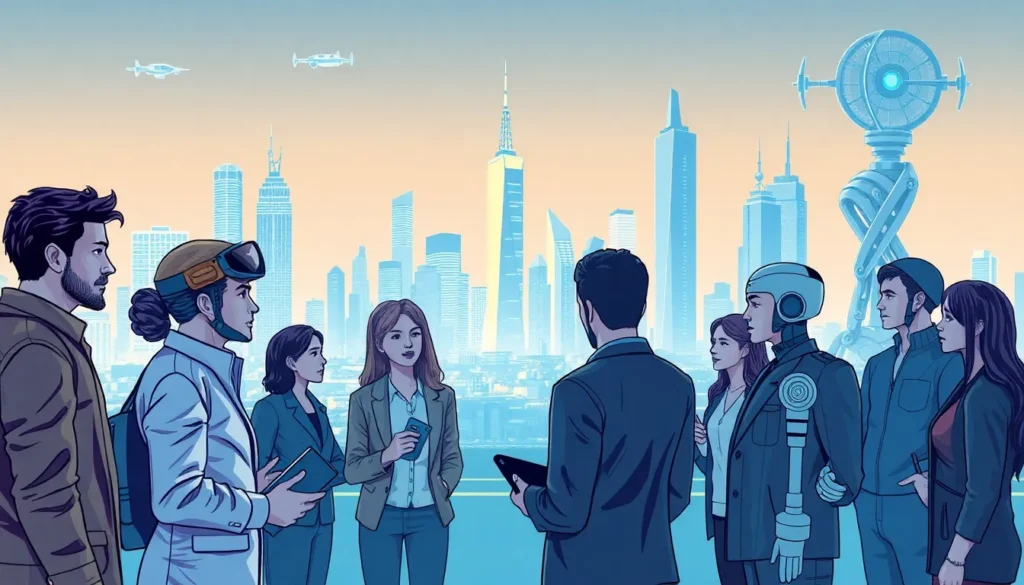
Human evolution faces significant shifts due to various key factors. These elements will shape the trajectory of humanity’s future.
Genetic Engineering
Genetic engineering exploits breakthroughs in biotechnology. Scientists can now modify DNA to enhance physical abilities and cognitive functions. Expectations surround the potential for eradicating genetic disorders through these techniques. As genetic knowledge expands, artificial selection becomes more prevalent. This trend raises ethical concerns about identity and diversity among future generations. Over time, manipulated genes may lead to unintended consequences in human populations.
Environmental Changes
Environmental changes exert a strong influence on human evolution. Climate shifts, habitat alterations, and resource availability will play crucial roles. Species adaptability becomes essential as humans face more extreme weather conditions. Urban expansion leads to increased competition for resources, impacting societal structures. Additionally, biodiversity loss may challenge health and well-being, requiring adaptations in behavior and physiology. Future generations must learn to navigate these complexities to thrive.
Technological Advancements
Technological advancements alter human existence in profound ways. Innovations in artificial intelligence and automation reshape skills necessary for survival. Enhanced communication tools bridge distances, fostering global collaboration. Virtual reality expands learning experiences, transforming education and training. As the digital landscape evolves, cognitive abilities will adapt accordingly. Moreover, continual integration of technology into daily life changes social interactions and relationships. Embracing these advancements shapes future human capabilities and experiences.
Potential Future Species
The future of human evolution may give rise to new species influenced by technology and genetics. Two potential species stand out as noteworthy: Homo Ingenious and Homo Technologus.
Homo Ingenious
Homo Ingenious represents a future where intellectual capabilities are amplified through genetic engineering. Enhancements could lead to advanced problem-solving skills and creativity, setting these individuals apart. Society may witness a shift in career dynamics, with these enhanced people excelling in fields like science, technology, and the arts. Genetic modification might aim to increase memory retention and cognitive processes. Educational systems could adapt to meet the needs of this new species, fostering an environment that promotes innovative thinking and collaboration.
Homo Technologus
Homo Technologus symbolizes a blend of human biology and technology, showcasing individuals integrated with advanced digital systems. This species may utilize wearable devices to augment physical abilities and cognitive functions. Enhanced communication through implanted technology might redefine social interactions, allowing instantaneous access to information. Social structures could evolve as these technologically integrated individuals seek new forms of collaboration and creativity. Potential concerns about privacy and dependency on technology may arise, prompting discussions around ethical implications.
Ethical Implications of Evolution Predictions
Ethical dilemmas arise as genetic engineering influences human evolution. Concerns about identity and diversity increase with the potential for artificial selection. Modified traits may create divisions, leading to a new hierarchy among humans based on enhanced abilities. Social impacts extend beyond individuals, potentially altering group dynamics and community interactions.
Privacy issues play a significant role in discussions around Homo Technologus. Individuals integrated with technology face challenges regarding data security and personal autonomy. Dependency on technology can diminish critical thinking skills and problem-solving abilities. The balance between enhancing capabilities and maintaining independence remains a crucial ethical consideration.
Regulating genetic engineering practices becomes imperative to ensure ethical standards. Legislation must address potential misuse of genetic modifications, preventing discrimination based on engineered traits. Engaging public discourse on these ethical issues promotes awareness and accountability in scientific advancements.
Additionally, cultural implications must be recognized in evolutionary predictions. Global perspectives vary on the acceptability of genetic modifications. Different societies may resist or embrace these changes, shaping a diverse future for humanity.
Ultimately, navigating these ethical implications requires continuous dialogue among scientists, ethicists, policymakers, and the public. Understanding the consequences of evolution predictions ensures thoughtful approaches to human enhancement technologies. This collective effort can promote a future where diversity and equity thrive alongside progress.
The future of human evolution is poised for transformative changes driven by technological advancements and genetic engineering. As society navigates these uncharted waters it must address the ethical dilemmas and societal implications that arise. Balancing enhancement with individuality will be crucial in shaping a future that values diversity and equity.
Continuous dialogue among scientists ethicists and the public will foster accountability and awareness in these advancements. By embracing a collaborative approach humanity can ensure that progress promotes not just survival but a thriving existence for all. The next chapter of human evolution is not just about adaptation but about the choices made today that will define tomorrow.