
In a world where technology evolves faster than a cat meme goes viral, it’s only natural to wonder how long an iPhone should last. After all, nobody wants to be that person desperately clutching a dying phone like it’s a lifeline. With Apple’s sleek designs and powerful features, it’s easy to fall in love. But how long can that love affair last before it starts to feel more like a bad breakup?
Understanding iPhone Longevity
iPhones typically demonstrate impressive longevity, but several factors influence this duration. Users often seek clarity on how long their device can effectively serve them.
Factors Influencing Lifespan
Age represents a primary factor. As devices age, hardware components may decline. Usage patterns also play a critical role; heavy tasks like gaming stress the battery and processor. Regular software updates affect performance, as older models sometimes struggle with the latest operating systems. Therefore, maintenance practices influence longevity; keeping the software up to date and caring for physical aspects extend lifespan.
Typical Lifespan of Different Models
iPhones generally last around four to six years, but this varies. For instance, the iPhone 12 and later usually maintain optimal performance for five years. On the other hand, older models like the iPhone 7 may lag after about four years of use. Battery health significantly impacts these timelines, often diminishing within two to three years. Users can expect consistent performance during the initial years before gradual decline becomes noticeable.
Signs It’s Time to Upgrade
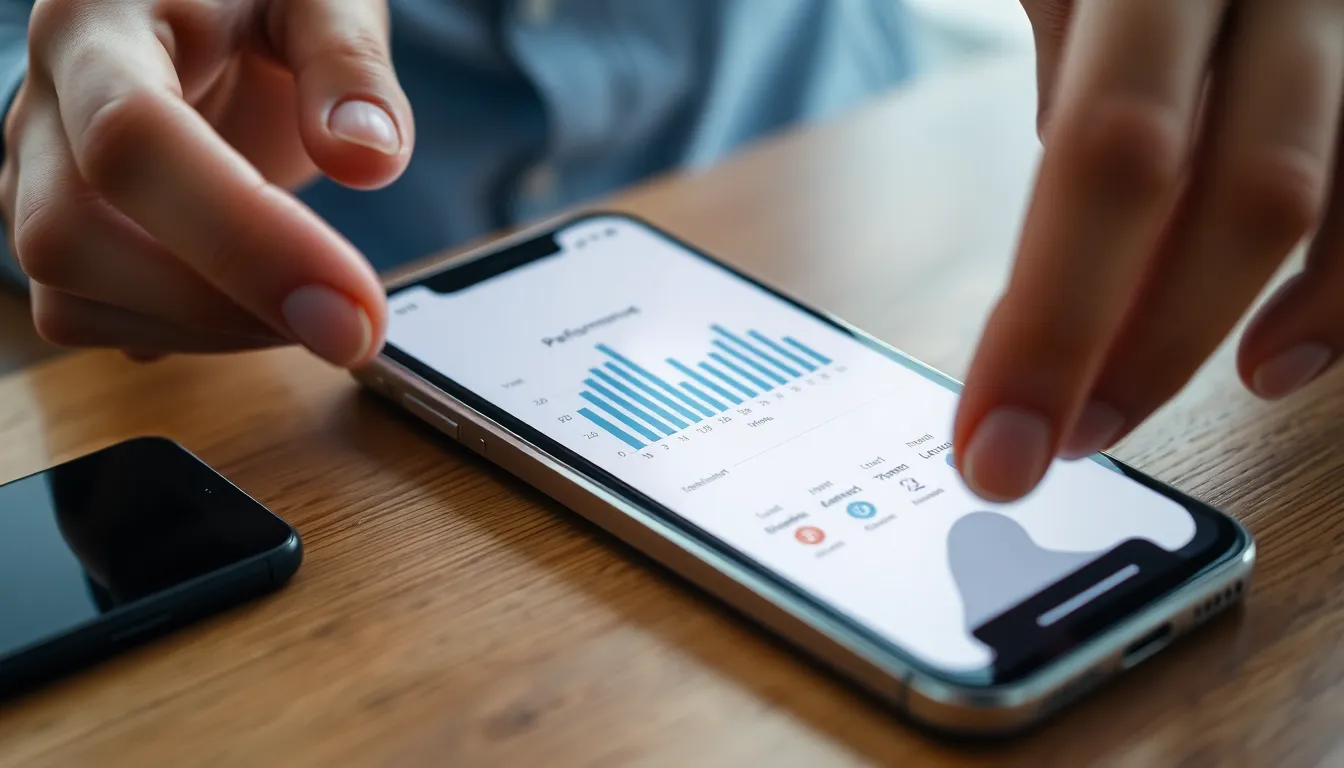
Recognizing the signs that it’s time to upgrade an iPhone can enhance user satisfaction and device functionality.
Performance Issues
Decreased speed often indicates that an iPhone has reached its limits. Apps may take longer to load, and navigating menus may feel sluggish. Frequent crashes and app freezes signal significant performance decline. Users may experience difficulty in handling demanding applications, especially games with high graphics. Consistent software updates may also slow down older models, making them less efficient. Choosing to upgrade at this point can greatly improve overall usability.
Battery Health Decline
Battery lifespan significantly impacts device performance. After two to three years, most iPhone batteries lose their capacity to hold a charge. Users may notice the phone shutting down unexpectedly or needing to recharge multiple times throughout the day. Charging speed might also diminish over time, reducing convenience. Users who regularly encounter these issues should consider upgrading, as newer models offer improved battery technology and efficiency. Such advancements can lead to a more reliable user experience.
Tips to Extend Your iPhone’s Life
Maintaining an iPhone’s longevity involves simple practices. Implementing these strategies ensures optimal performance for years.
Software Updates
Regular software updates enhance security and functionality. Apple frequently releases updates that improve performance, fix bugs, and introduce new features. Ignoring these updates may lead to compatibility issues with apps and decreased efficiency. Users should check for updates at least once a month. Additionally, keeping the iPhone’s operating system current bolsters security against vulnerabilities, ensuring a safe user experience.
Proper Charging Habits
Adopting proper charging habits protects battery health. Avoid letting the battery drop below 20 percent frequently, as deep discharges can shorten battery lifespan. Charging between 20 to 80 percent is ideal for longevity. Using the original charger prevents potential damage from incompatible devices. Heat can also harm battery health; charging in cool environments is recommended. Regularly monitoring battery health through settings helps users identify when it’s time for replacement or adjustment.
Comparison with Other Smartphones
The lifespan of an iPhone often compares favorably to other smartphone brands.
iPhone vs. Android Devices
iPhones typically last four to six years, while many Android devices may only last about three to five years. Reliability varies among Android manufacturers, with premium brands like Samsung mirroring iPhone longevity. Performance in older Android models can decline faster due to less consistent software updates. Buyers often notice that while Android devices offer diverse options, not all guarantee extended usability. When considering upgrades, Android users may feel pressure from manufacturers to replace devices more frequently.
Budget Smartphones
Budget smartphones usually exhibit shorter lifespans compared to iPhones. Average longevity for budget models sits around two to four years, depending on brand and usage. These devices often feature less durable materials and weaker processors. Performance degradation appears sooner, often influenced by less frequent software updates. Users seeking value often face trade-offs related to longevity and performance. Investing in a higher-priced model may yield a better return regarding lifespan and functionality.
The lifespan of an iPhone is shaped by various factors including usage patterns and maintenance practices. Users can typically expect their devices to perform well for four to six years. Recognizing the signs of wear can help users decide when it’s time to upgrade for better performance and reliability.
By following best practices like regular software updates and mindful charging habits, users can maximize their iPhone’s longevity. While emotional attachments to these devices are common, understanding their limits ensures a more satisfying experience. Investing in a newer model when the time comes can lead to enhanced usability and a more enjoyable smartphone experience.