
Picture this: you’re deep into a heated text debate or finally conquering that game level when—bam!—your iPhone decides it’s nap time. Frustrating, right? Keeping your phone from turning off isn’t just about saving battery; it’s about preserving your sanity. No one wants to miss a crucial message or lose that high score because their phone went rogue.
Common Reasons Your iPhone Turns Off
Several factors contribute to an iPhone unexpectedly turning off. Understanding these reasons can help keep the device functional during crucial moments.
Battery Issues
Battery problems frequently lead to unexpected shutdowns. Aging batteries exhibit diminished capacity, often unable to sustain adequate power. Users may also experience sudden drops in battery percentage, signaling a faulty battery calibration. Sometimes, extreme temperatures negatively affect battery performance, causing it to shut down earlier than needed. If the battery health drops below 80%, the iPhone may struggle to stay powered during usage.
Software Glitches
Software glitches can create interruptions, resulting in automatic shutdowns. Outdated operating systems often contain bugs that disrupt functionality. Users may also face issues from recently installed apps that conflict with existing software. Occasionally, background processes consume excessive resources, leading to crashes. Regularly updating the software can address known issues, optimizing device performance while reducing the likelihood of shutdowns.
Tips to Keep Your iPhone From Turning Off
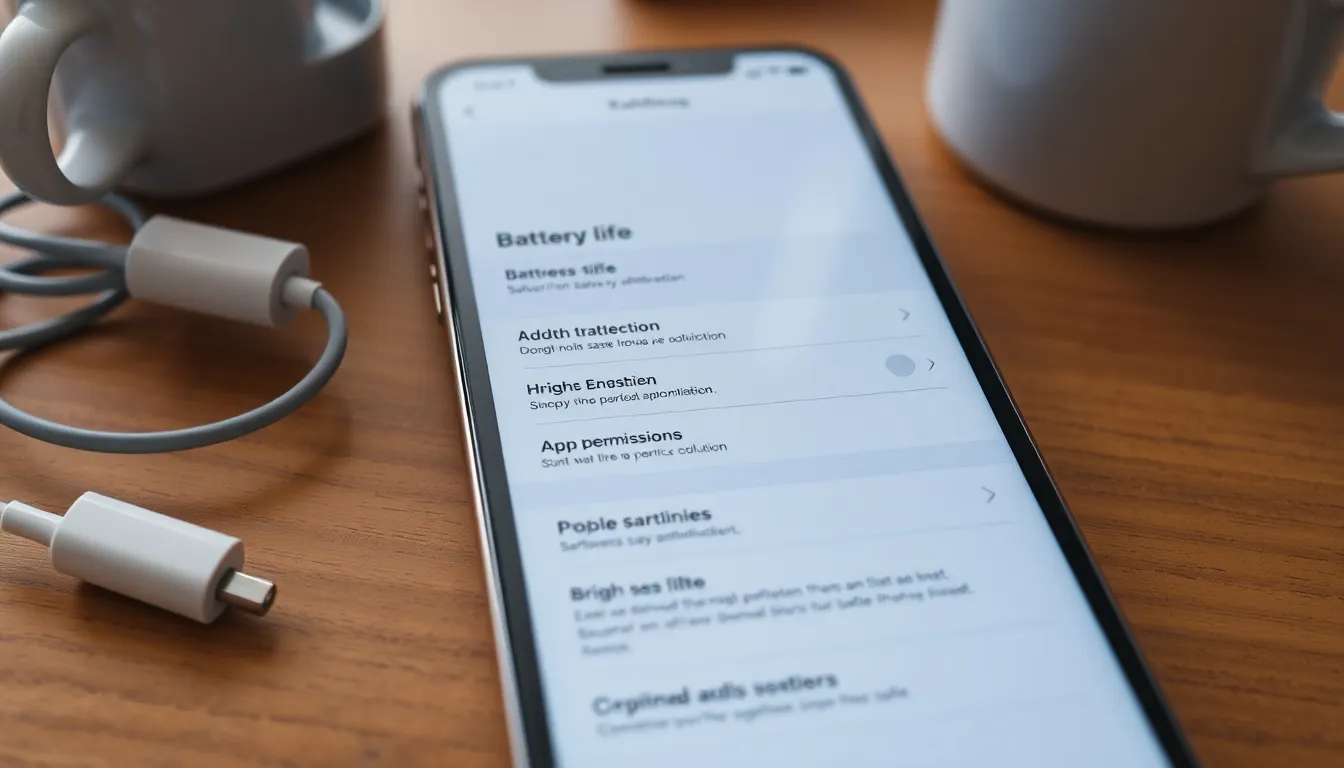
Keeping an iPhone operational during crucial moments requires certain adjustments. Users often benefit from optimizing settings to enhance battery life and performance.
Adjusting Settings
Disable background app refresh to conserve battery usage. This can prevent apps from updating when not in use, which reduces strain on the device. Dim the screen brightness or activate auto-brightness to save energy. Users should also check the battery settings to monitor usage and identify power-hungry apps. Turning off location services for non-essential applications is another effective method to manage battery drain. Notifications and alerts for less critical applications can also be switched off, minimizing disruptions and potential shutdowns.
Updating iOS
Regular updates enhance device performance and address bugs that may cause unexpected shutdowns. New versions improve battery efficiency and fix software glitches, helping maintain stability. Navigate to Settings, tap General, then Software Update to check for the latest versions. After confirming updates, downloading and installing them ensures optimal functioning. Consistently updating iOS forms a critical part of avoiding shutdown issues, as each iteration usually contains important patches and improvements. Keeping the iPhone aligned with the latest software keeps it running smoothly.
Battery Maintenance Strategies
Maintaining battery health ensures an iPhone remains operational during critical tasks. Strategies for optimizing battery usage and establishing regular charging habits prove effective.
Optimizing Battery Usage
Optimizing settings reduces battery drain and improves overall performance. Disable background app refresh to limit app activity when not in use. Dim the screen brightness or enable auto-brightness to conserve energy. Users benefit from turning off location services for non-essential apps. Monitoring battery usage allows identification of power-hungry applications. Minimizing notifications from less critical apps can significantly extend battery life. Keeping iOS updated addresses bugs and improves system stability, helping prevent unexpected shutdowns.
Regular Charging Habits
Establishing regular charging habits is essential for maintaining battery longevity. Avoid letting the battery’s charge drop below 20% to reduce stress on the battery. Frequent short charging sessions are better than prolonged full discharges. Keeping the iPhone plugged in post-charge to around 80% can enhance battery health. Using a certified charger prevents damage, ensuring the device receives appropriate power. Charging overnight may lead to decreased battery capacity over time; thus, disconnecting when fully charged is advisable.
When to Seek Professional Help
Signs of persistent shutdowns may indicate underlying issues with an iPhone. Users should observe patterns in shutdown occurrences that aren’t resolved by standard troubleshooting. When a device unexpectedly shuts down despite following all maintenance tips, it’s time to consider professional assistance.
Battery health plays a significant role in device performance. If the battery health falls below 80%, it may not support proper functionality. A technician can assess battery condition and recommend replacements if necessary.
Software malfunctions can also contribute to shutdown problems. If regular updates haven’t improved performance and bugs persist, seeking expert help is advisable. An experienced technician can identify software conflicts or require advanced troubleshooting methods.
Physical damage may cause unexpected shutdowns as well. Signs of water damage or physical impact can lead to internal issues that users may not recognize. It’s essential to consult a professional if any such damage is suspected.
Lastly, persistent charging problems can indicate serious hardware issues. If the device fails to charge properly after using certified accessories, it warrants a professional evaluation. Technicians can diagnose complications that could compromise device longevity.
Monitoring for ongoing problems is critical. Recognizing serious signs, such as battery health issues, software malfunctions, or physical damage, helps users know when to seek expert help. Addressing these issues promptly prevents further complications and ensures the iPhone remains functional.
Keeping an iPhone from turning off unexpectedly is crucial for users who rely on their devices for important tasks. By understanding the common causes of shutdowns and implementing effective strategies, users can enhance their device’s performance and battery life. Regularly updating iOS and optimizing settings can significantly reduce interruptions.
Additionally, practicing good battery maintenance and knowing when to seek professional help can prevent further complications. With these proactive measures, users can enjoy a more reliable iPhone experience, ensuring they stay connected and focused during critical moments.