
Ever wondered why your iPhone seems to have a secret love affair with voicemail? You’re not alone. Many users find themselves scratching their heads as calls mysteriously divert to that all-too-familiar voice message. It’s like your phone’s playing hard to get, and let’s be honest, nobody likes being ghosted—especially by their own device!
Common Reasons iPhone Goes to Voicemail
Users often experience calls directed to voicemail for several reasons. Understanding these factors helps mitigate frustrations.
Network Coverage Issues
Weak or lost signal often prevents calls from coming through. Areas with poor network reception lead to call failures. In urban settings, buildings can block signals, creating dead zones. Users may find that moving to a location with better coverage resolves this issue. Checking the signal strength on the phone can clarify if this is the problem.
Do Not Disturb Mode
Do Not Disturb mode silences incoming calls and notifications. When activated, all calls go directly to voicemail unless settings allow exceptions. Users find this feature useful during meetings or personal time, yet it may cause missed calls. Disabling this mode re-enables regular notifications and calls. Checking settings for priority contacts can help manage important calls.
Airplane Mode Activation
Activating Airplane Mode disables all wireless communication. Calls go to voicemail when this mode is engaged. Sometimes, users forget to turn off Airplane Mode after a flight. Turning off this mode restores regular network functions, enabling incoming calls again. To avoid missing calls, frequent verification of Airplane Mode status is helpful.
Settings That Affect Voicemail
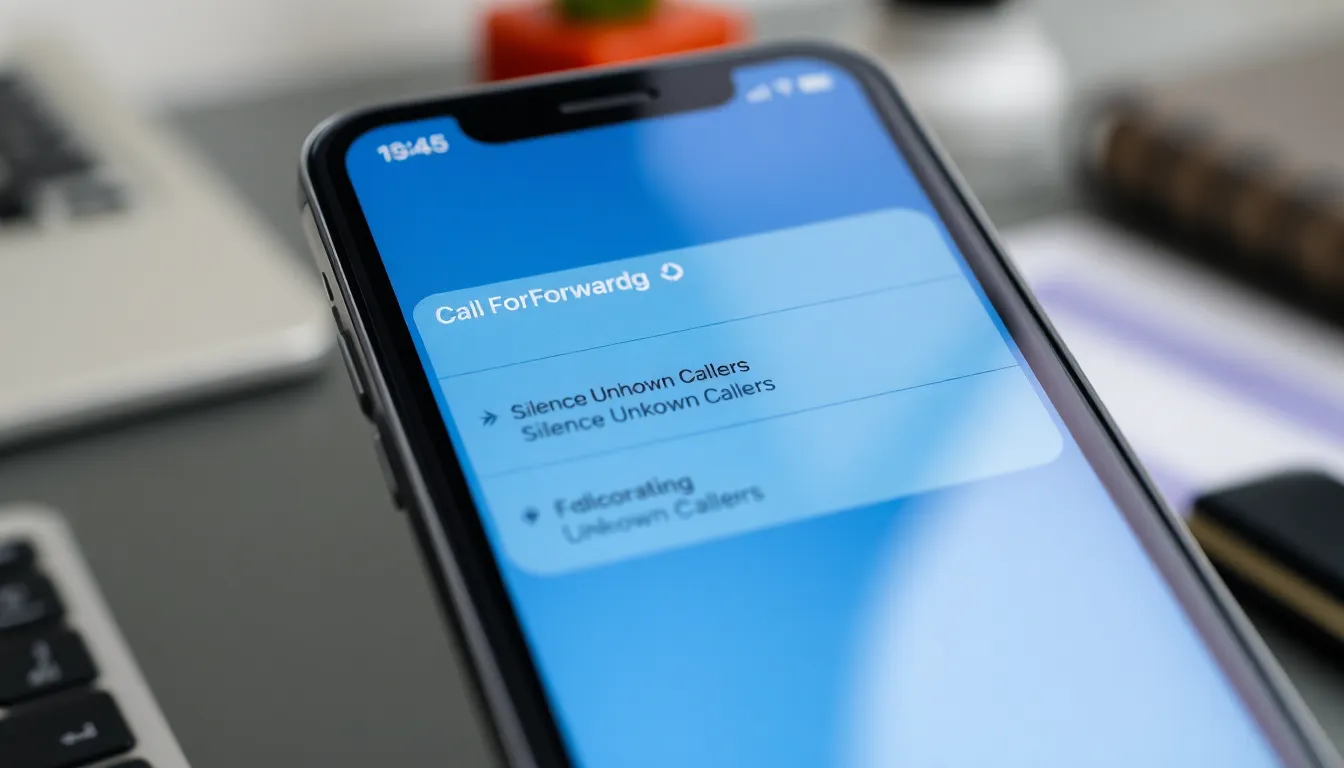
Several settings on an iPhone directly influence whether calls go to voicemail. Adjusting these options can help reduce unexpected call diversions and improve communication.
Call Forwarding Options
Call forwarding can divert incoming calls to voicemail when activated. Users might not realize this feature is enabled. To check settings, navigate to the Phone app, tap on “Call Forwarding,” and ensure it’s turned off unless needed. Specific carriers may offer additional call forwarding settings. Always review these options to prevent unintended call redirection.
Silence Unknown Callers Feature
Silence Unknown Callers sends calls from unknown numbers directly to voicemail. This setting enhances privacy by blocking potential spam but may also divert important calls. Users can disable this feature by going to Settings, selecting Phone, and turning off “Silence Unknown Callers.” Knowing this feature exists helps users maintain control over their incoming calls while avoiding unnecessary interruptions.
Troubleshooting Steps
Understanding the steps to troubleshoot call diversions can greatly enhance the iPhone user experience. Here are some practical approaches to resolve the issue.
Checking Network Connection
Inspecting the network connection is crucial for proper call functionality. Signals can weaken in areas with poor reception, leading to missed calls. Verifying the status bar for signal strength helps identify connectivity issues. Users should try moving to a location with stronger signals to see if the problem persists. Additionally, enabling and disabling Airplane Mode can refresh the connection. Performing these checks can clarify whether network issues cause the calls to go to voicemail.
Restarting the Device
Restarting the device often resolves minor glitches that affect call functionality. Powering off the iPhone for a few seconds followed by powering it back on can reset system processes. This simple action refreshes the system and might restore normal call operations. Users find this method effective for various technical hitches. Implementing a restart clears temporary data that could interfere with calls, potentially reducing instances of call diversion to voicemail.
When to Contact Your Carrier
Contacting the carrier becomes necessary when call diversion issues persist despite troubleshooting efforts.
Persistent Issues
Users should reach out to their carrier if call diversions continue after checking network settings. Multiple attempts to troubleshoot may indicate a larger problem. Carrier support can run diagnostics to identify if account settings or service restrictions apply. Unexpected call behavior could stem from network outages impacting reception. Continuous issues with calls diverting could reflect underlying problems requiring expert assistance from the provider.
Understanding Carrier Policies
Understanding carrier policies helps users navigate call diversion concerns effectively. Each carrier maintains specific policies on call management and network reliability. Certain service plans may include features that impact how calls are processed. Users should review their plan details to recognize any limitations or settings that might lead to unexpected call behavior. Furthermore, familiarizing oneself with service policies often provides insight into support options available for resolution.
Experiencing calls going directly to voicemail can be frustrating for iPhone users. Understanding the various factors that contribute to this issue is essential for improving call management. By checking settings like Do Not Disturb and Silence Unknown Callers users can regain control over their incoming calls.
Network coverage also plays a significant role in call connectivity. Users should ensure they have a strong signal and consider troubleshooting steps like restarting their device or contacting their carrier for persistent issues.
Taking these proactive measures can help users minimize missed calls and enhance their overall communication experience.